
Currently Empty: $0.00

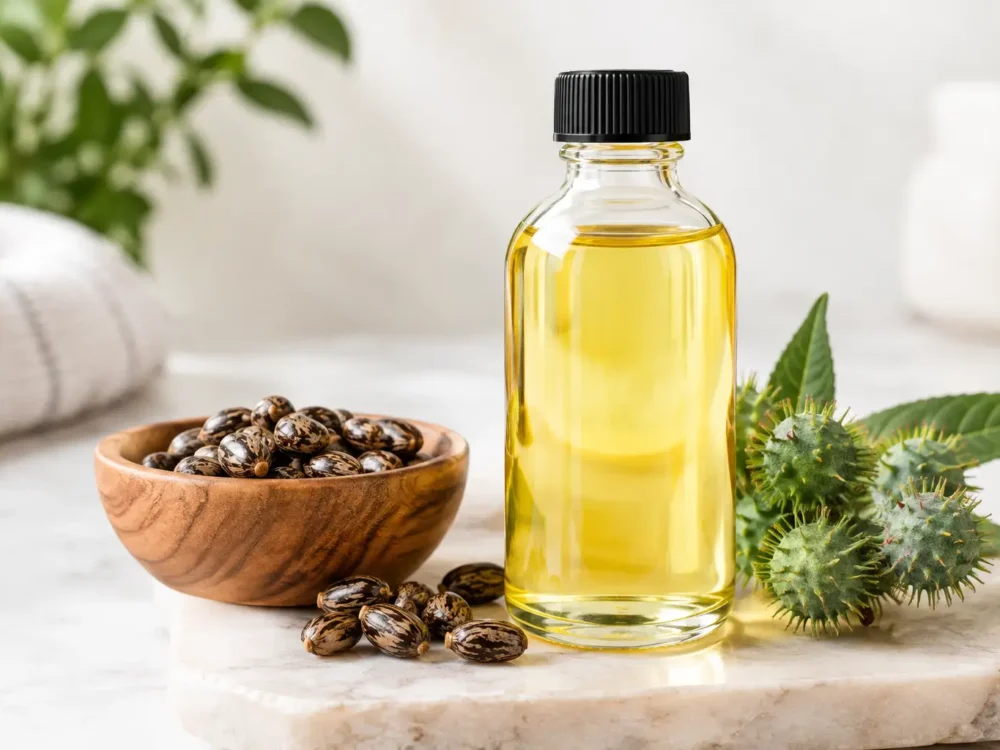
A bottle of castor oil can look like the simplest wellness purchase in your cabinet. But a useful castor oil review should look beyond a pretty label and a long list of beauty promises. The details that affect your experience are practical: how the oil was processed, whether the ingredient list is clean, how it feels on your skin, and whether it fits the way you will actually use it.
For hairlines, dry ends, brows, cuticles, massage, and occasional skin-conditioning rituals, castor oil earns its place because it is rich, concentrated, and highly versatile. Its thickness is also the reason it is not the right oil for every situation. Here is how to assess it before you buy.
Castor Oil Review: What Sets a Good Bottle Apart
Castor oil comes from the seeds of the Ricinus communis plant. It is naturally high in ricinoleic acid, a fatty acid that gives the oil its distinctive dense, glossy texture. Compared with lightweight oils such as jojoba or grapeseed, castor oil forms more of a protective layer on the surface of hair and skin. That can be excellent when you want to seal in moisture, but it can feel too heavy if you prefer a fast-absorbing finish.
A strong product starts with a short ingredient panel. For a pure topical oil, the ideal label is straightforward: 100% castor seed oil. No artificial fragrance, mineral oil, dyes, or unnecessary fillers. If a product is presented as organic, look for clear organic sourcing and packaging that protects the oil from excessive light and heat.
Cold-pressed processing is another quality signal worth considering. It generally indicates that the seeds were mechanically pressed without high-heat extraction, helping preserve the oil’s natural character. It does not make every cold-pressed oil identical, but it is a sensible preference for shoppers who prioritize minimally processed wellness essentials.
Color can vary from pale yellow to nearly clear. A slightly earthy or neutral scent is normal. What should raise concern is a rancid, sharply sour odor or a product that feels questionable because its label gives little information about sourcing, ingredients, or intended use.
Texture Is the Main Trade-Off
Castor oil is not a featherlight facial oil. One or two drops can spread slowly, and applying too much may leave hair sticky or skin overly coated. That is not a flaw. It is the product’s defining feature, and it is why small amounts go a long way.
For dry scalp areas or the ends of thick, textured, or heat-styled hair, that richness can be a real advantage. It can help hair look shinier and feel more conditioned by reducing the dry, rough appearance of the outer strand. For finer hair, oily scalps, or acne-prone facial skin, the same density may be less comfortable. In those cases, use less or blend it with a lighter carrier oil instead of applying a full layer.
A practical first test is simple: warm one or two drops between clean palms, then apply only where you need it. You can add more, but removing excess oil from hair or skin is inconvenient. This measured approach also makes a bottle last longer, which matters when building an affordable routine.
For Hair and Scalp Care
Castor oil is often associated with thicker-looking hair, fuller brows, and healthier-looking lashes. Set realistic expectations. The oil can condition strands, improve shine, and support the appearance of less dryness or breakage when used thoughtfully. It is not a proven cure for hair loss, and it should not replace professional advice for sudden shedding, scalp pain, patchy loss, or persistent irritation.
For a simple pre-wash treatment, apply a small amount to the mid-lengths and ends, or massage a diluted amount into dry areas of the scalp. Leave it on briefly before shampooing thoroughly. If your hair is fine, mixing one part castor oil with two or three parts of a lighter oil can improve spreadability and make washout easier.
Brows need even less. Use a clean spoolie or cotton swab, apply a trace amount, and keep it away from the eyes. More product does not create better results. It mostly increases the chance of migration, residue, and irritation.
For Skin, Nails, and Massage
On the body, castor oil works best as a targeted finishing oil. Apply it to damp skin after a shower, massage it into dry elbows and knees, or use a tiny amount on cuticles before bed. The thick texture can make it especially satisfying for hand and foot care, where you want lasting softness rather than a quick-drying feel.
For facial use, proceed more cautiously. Some people enjoy a tiny amount over moisturizer on dry patches, while others find it too occlusive or heavy. Skin type, climate, other products in your routine, and personal sensitivity all matter. Singapore-level humidity is not the same as a dry, air-conditioned winter, and your application amount should reflect that.
Castor oil is also popular for abdominal massage and oil-pack rituals. These practices may feel soothing as part of personal self-care, but they should not be treated as a substitute for medical evaluation or a treatment for digestive, hormonal, or inflammatory conditions. Keep the promise grounded: it is an oil for topical comfort and massage, not a cure-all.
What a Clean-Label Shopper Should Check
If you are comparing options online, do not let vague terms do all the work. “Natural” can be a useful starting point, but it is not a complete quality standard. Look at the full product information.
Prioritize these four checks:
- Ingredient clarity: Choose a product with 100% castor oil when purity is your goal. A blend may still be useful, but it should state exactly what else is included.
- Processing and sourcing: Cold-pressed and organic claims should be clearly presented, not buried behind marketing language.
- Packaging and usability: A secure cap, pump, or controlled dispenser makes thick oil far easier to use without spills or waste.
- Brand transparency: Trust grows when a brand communicates its quality standards, intended use, and care guidance in plain language.
Sterling Nutrition’s organic castor oil is designed for shoppers who want that clean, multipurpose approach without turning a basic wellness staple into a complicated regimen. The best choice is still the one you will use consistently and comfortably, whether that means a few drops for dry ends or a weekly scalp massage before wash day.
Safety and Smart Use
Even a simple plant oil deserves sensible use. Patch test before applying castor oil broadly, especially if you have sensitive skin, eczema, allergies, or a history of reactions to cosmetic products. Place a small amount on the inner arm, wait 24 hours, and stop use if redness, itching, burning, or swelling develops.
Keep topical castor oil away from the eyes and avoid applying it to broken, infected, or severely irritated skin. If it gets into the eyes, rinse gently with clean water. Use clean hands and clean tools, especially for brow, lash, and scalp application, to avoid introducing bacteria into your routine.
One important distinction: topical cosmetic castor oil is not automatically intended for internal use. Castor oil has historically been used as a stimulant laxative, but oral use can cause cramping, diarrhea, dehydration, and medication-related concerns. Do not self-prescribe it for constipation or cleansing. Pregnant people, people with medical conditions, and anyone taking medication should speak with a qualified clinician before considering any internal use.
Is Castor Oil Worth Adding to Your Routine?
Castor oil is worth it when you want a simple, concentrated oil for targeted moisture, hair shine, scalp massage, nail care, or dry body areas. It is less compelling if you want a weightless daily face product or an instant answer to hair growth concerns. The value is in its versatility, not in exaggerated claims.
Start small, choose a clean formula, and let texture guide your routine. A few intentional drops applied where your hair or skin genuinely needs extra comfort can do more for your experience than an overloaded cabinet of products you never reach for.